

- Optical Products
AutoSens Europe 2025 Report: Dexerials’ Optical Materials for ADAS and Autonomous Driving Sensors

目次
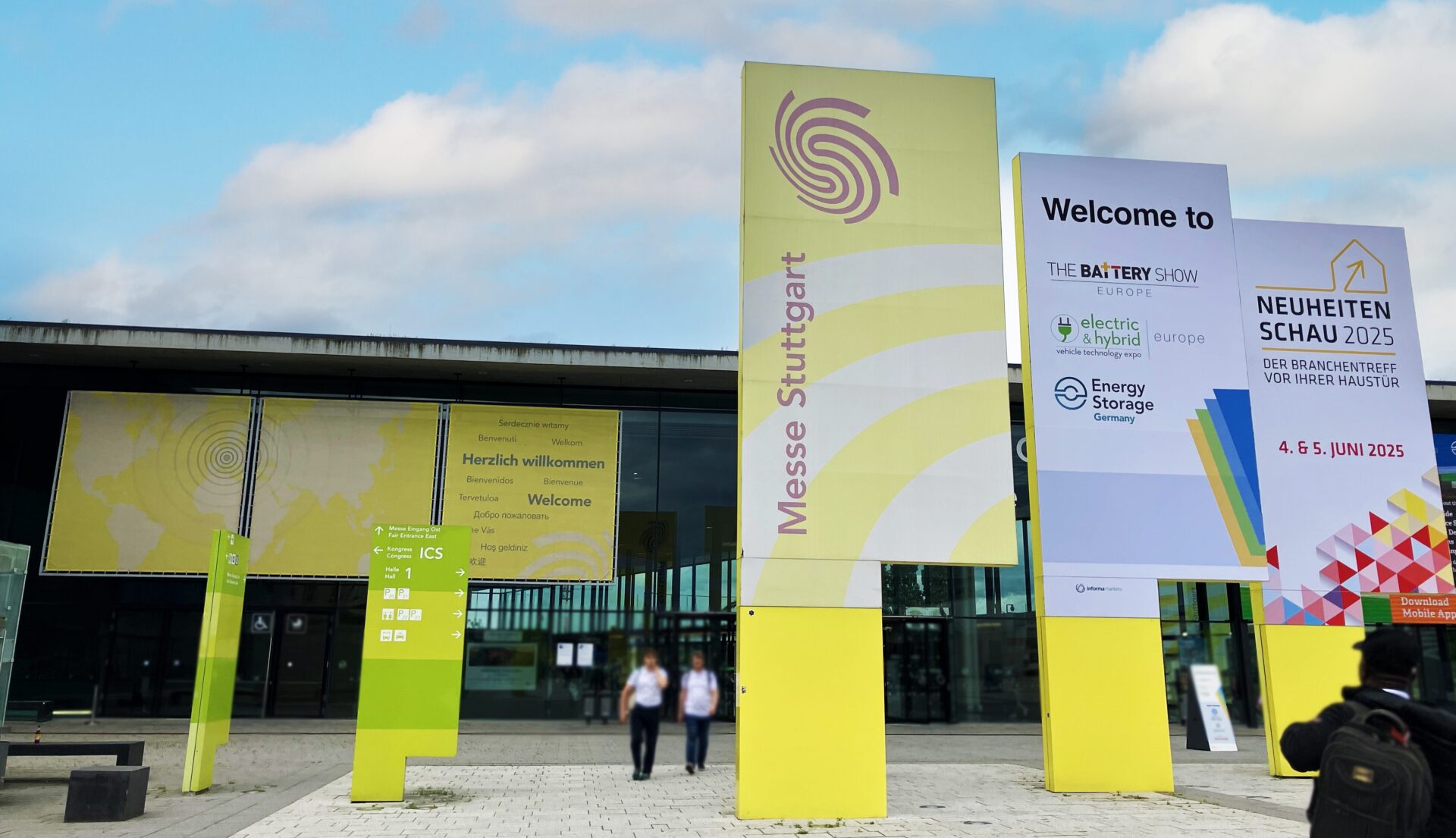
Report from AutoSens Europe 2025, an international conference for the automotive industry
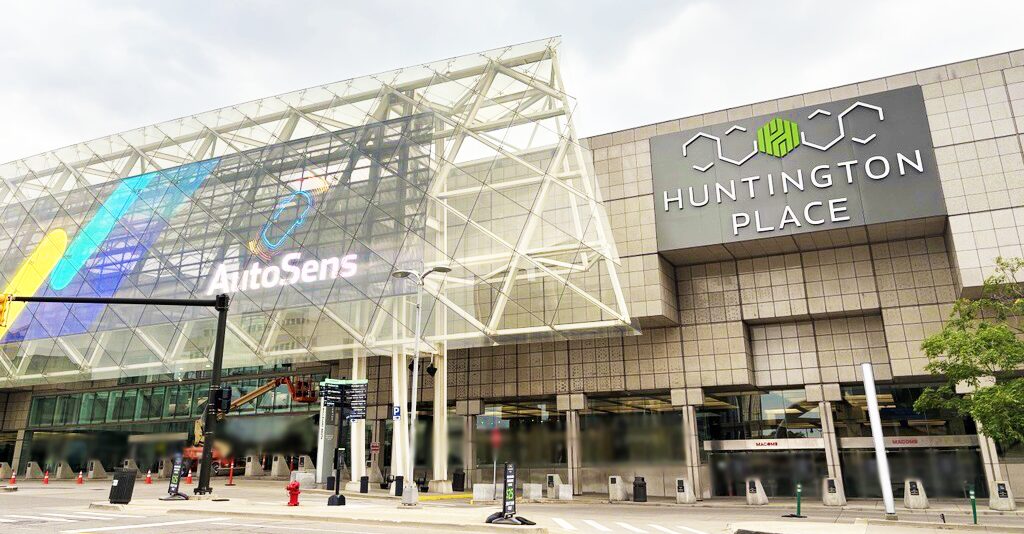
From October 7 to 9, 2025, AutoSens Europe 2025 was held in Barcelona, Spain. Dexerials participated again this year, showcasing optical materials and sensing solutions such as its Anti-reflection Film (Moth-eye type) and Anti-fog resin designed for automotive sensing applications. At the exhibition booth, Dexerials engaged in technical discussions with engineers and researchers and introduced its initiatives aimed at further enhancing sensor performance.
This report summarizes key topics and technology trends presented at AutoSens Europe 2025, along with an overview of Dexerials’ exhibits.
What is AutoSens?
AutoSens is an international conference and exhibition that brings together experts, researchers, and engineers working on the latest technologies related to in-vehicle sensors, ADAS (Advanced Driver Assistance Systems), and autonomous driving.
The event is held two to three times a year mainly in Europe and the United States. In May 2025, AutoSens USA 2025 took place in Detroit, where Dexerials also exhibited.
AutoSens USA 2025 Exhibition Report
It serves as an important platform for professionals in the automotive industry to exchange information, explore new technologies, and discuss the future of automotive sensing.
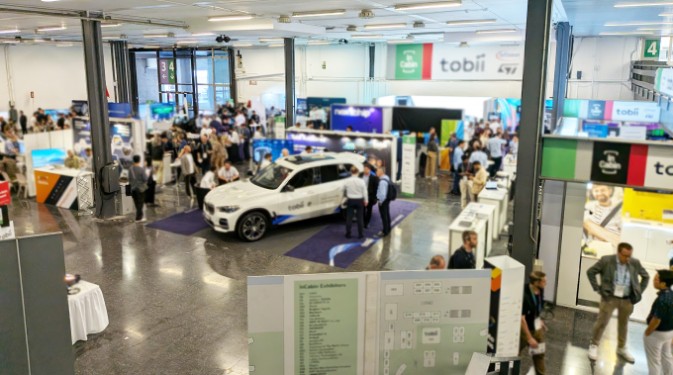
Highlights of AutoSens Europe 2025
The conference featured 6 major themes, including Sensor Hardware Innovation, Multimodal Technologies and Sensor Fusion, Semiconductors, SoCs, and Evolving Architectures, and AI and Simulation.
Among these, Dexerials focused on sessions discussing the latest developments in sensor hardware technologies—covering cameras, radar, LiDAR, and optical components that support advanced sensing performance.
The session on Sensor Hardware Innovation introduced emerging technologies aimed at improving image recognition and distance measurement accuracy. Topics included event-based sensing, which detects visual changes dynamically, and neuromorphic vision, a visual processing technology inspired by neural networks in the brain. These discussions highlighted a variety of technological advancements that contribute to higher perception accuracy for autonomous vehicles.
Another session focused on sensing modalities for autonomous driving, emphasizing the need for sensors that can maintain reliable performance under rapidly changing weather or complex urban conditions. The importance of materials and technologies that respond to environmental changes surrounding the sensor—beyond the sensor device itself—was also widely discussed. A lecture titled Enhancing Pedestrian Safety through Infrared Technology offered new insights into optical solutions that help vehicles recognize their surroundings more effectively, which also provided valuable perspectives related to Dexerials’ optical material development for automotive cameras.
Dexerials’ Exhibit: Products that Improve Sensor Functionality
Dexerials participated in AutoSens Europe 2025 with the goal of introducing its sensing-related products and technologies to a global audience. As the event attracted many engineers involved in vehicle sensing technologies from OEMs and Tier 1 suppliers, it also provided valuable opportunities to exchange ideas on sensor performance improvement and to gather information from diverse perspectives, including AI and software.
At the Dexerials booth, several products contributing to the performance enhancement of sensing devices essential for autonomous driving were exhibited—mainly focusing on developmental materials and prototypes. Demonstrations simulating real-world applications were also presented to visualize the benefits of Dexerials’ optical technologies in practical use.
Featured Products
Although sensors are indispensable for autonomous vehicles, contamination, fogging, and surface reflection on sensor covers or surrounding components can degrade performance. To address these challenges and enhance sensor functionality, Dexerials exhibited its proprietary technologies at AutoSens Europe 2025. The following are some of the key products introduced at the event.
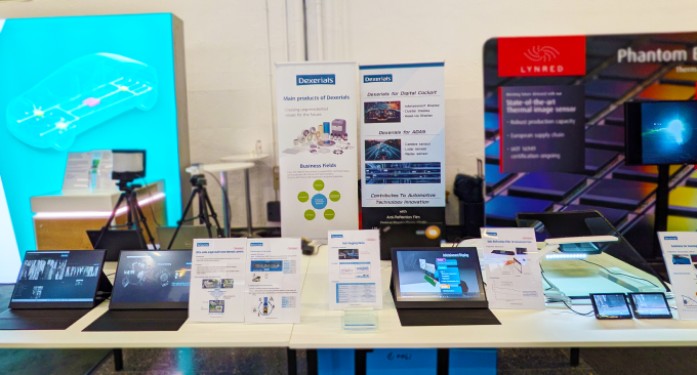
Anti-fog resin: Preventing fogging with advanced moisture control
Under conditions where the difference between external and internal temperature is large or humidity is high, fogging may occur inside the cover glass of sensors or on the inner surface of vehicle windshields, which can reduce both visibility and detection accuracy. Dexerials’ newly developed Anti-fog resin suppresses light scattering caused by water droplets, helping maintain a clear view.
The resin features both moisture-absorbing and desorbing capabilities—it absorbs moisture in humid conditions to prevent fogging and releases it in dry conditions to maintain stable performance. This material supports reliable optical detection even under challenging environmental conditions.
Anti-reflection film (Moth-eye type): Reducing reflection and fogging simultaneously
Reflections occurring on the surfaces of cover glass and sensor modules can reduce image contrast and detection accuracy. Dexerials’ Anti-reflection Film (Moth-eye type) features a nano-patterned surface structure inspired by the microscopic texture of moth eyes, effectively minimizing surface reflections. In addition, by using materials with anti-fogging properties, the film achieves both anti-reflection and anti-fog performance.
This technology contributes to the reduction of stray light inside sensing systems such as cameras and LiDAR, ensuring more stable detection accuracy. While primarily developed for automotive use, the film is also expected to be applied to various other fields requiring high optical precision.
Light-absorbing black adhesive and black coating technology: Suppressing unwanted reflections
Reflections generated on the surfaces of camera and sensor brackets can cause optical noise that lowers detection accuracy.
Dexerials has developed light-absorbing black adhesive and black coating technologies that suppress unwanted reflections and scattered light around the sensor frame and detection units.
These materials help reduce internal reflection and noise, contributing to higher measurement precision in LiDAR and camera systems.
Building on its expertise in high-precision fixing materials for digital cameras, Dexerials applies these technologies to enhance light absorption in optical sensing components used in vehicles.
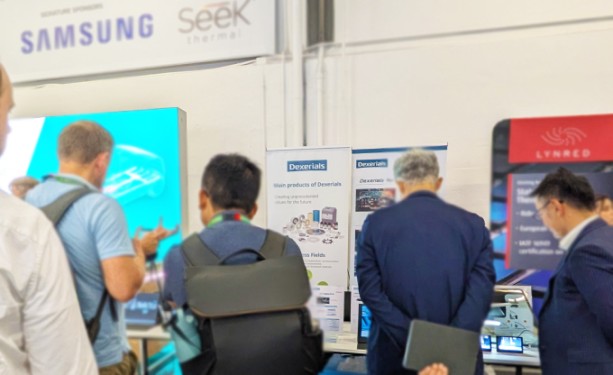
Other development-stage products were also on display. For more information, please contact us directly.
Continuing to Improve Sensor Performance
AutoSens Europe 2025 provided Dexerials with a valuable opportunity to present its automotive sensing solutions to a global audience and to engage directly with engineers from around the world. The company received many specific technical inquiries and feedback, which will help accelerate further product development.
Leveraging the knowledge and connections gained through this event, Dexerials will continue contributing to the advancement of sensor performance and the enhancement of automotive safety through its innovative optical material technologies.
Related articles

Dexerials are a materials manufacturer that produces materials essential for the evolution of devices and next-generation solutions.
We will create new value with partners around the world in areas including electronic components, bonding materials, and optical materials.
- Share
We provide materials on our products and manufacturing technologies.
They can be downloaded for free.
Download MaterialsRelated Products
Related articles
Popular articles related to optics










We provide materials on our products and manufacturing technologies.
They can be downloaded for free.
Download Materials