• Bonding Products

Why Miniaturization Matters in Wearable Devices: Expanding Applications in Healthcare and Industry

  • Add this entry to Hatena Bookmark

[Medical Content Disclaimer]
The content of this article is provided for general technical information and an overview of market trends. It is not intended to recommend or endorse any specific medical procedure, treatment, diagnosis, or prescription.
The information presented here is offered as a reference for healthcare professionals and medical device industry personnel. It is not intended for medical decision-making or use by general consumers.
Products, materials, and technologies described in this article may not necessarily be certified or approved as medical devices under applicable regulations, including the Pharmaceutical and Medical Device Act in Japan. Please confirm the relevant regulatory requirements and approval status in each country or region before actual use. The content is based on information available at the time of writing and may be subject to change without notice.
This disclaimer applies specifically to healthcare-related articles on TECHTIMES and is independent of the general “Disclaimer of Warranties” applicable to the website as a whole.

Expansion and Everyday Adoption of Wearable Device

How many wearable devices do you use in your daily life? Some people use only one, while others use two or three. Also, not all people wear wearable devices because some people do not want to wear them.

There is a limit to the number of places a person can wear a device at once: head, ears, neck, arms, ankles, waist, feet, and fingers. 

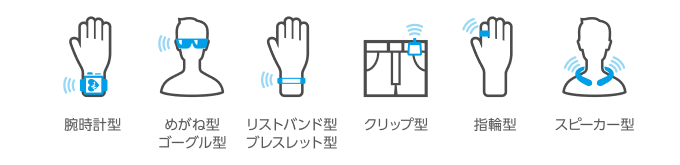
The history of wearable devices is long, and a variety of devices have been developed so far, like as wrist band type, bracelet type, watch type, clip type, glasses type/goggle type, ring type and so on.

In recent years, with the rapid proliferation of smartphones and their larger screens and cases, more and more people find it inconvenient to carry a smartphone or take it out of their pocket just to check the time. Others have stopped wearing normal wristwatches because they can check the time on their mobile phone or smartphone.

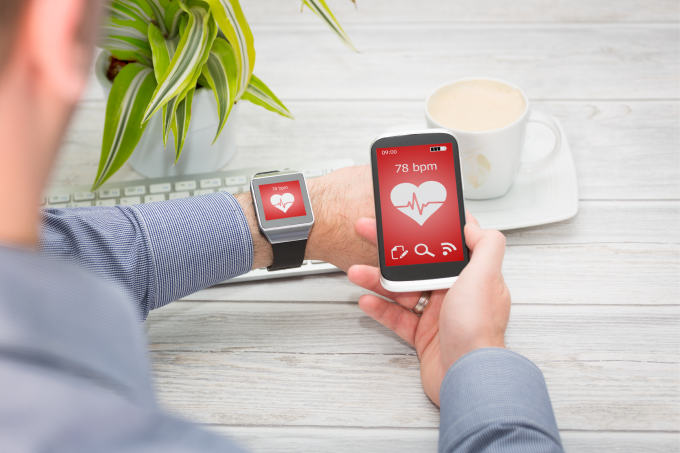
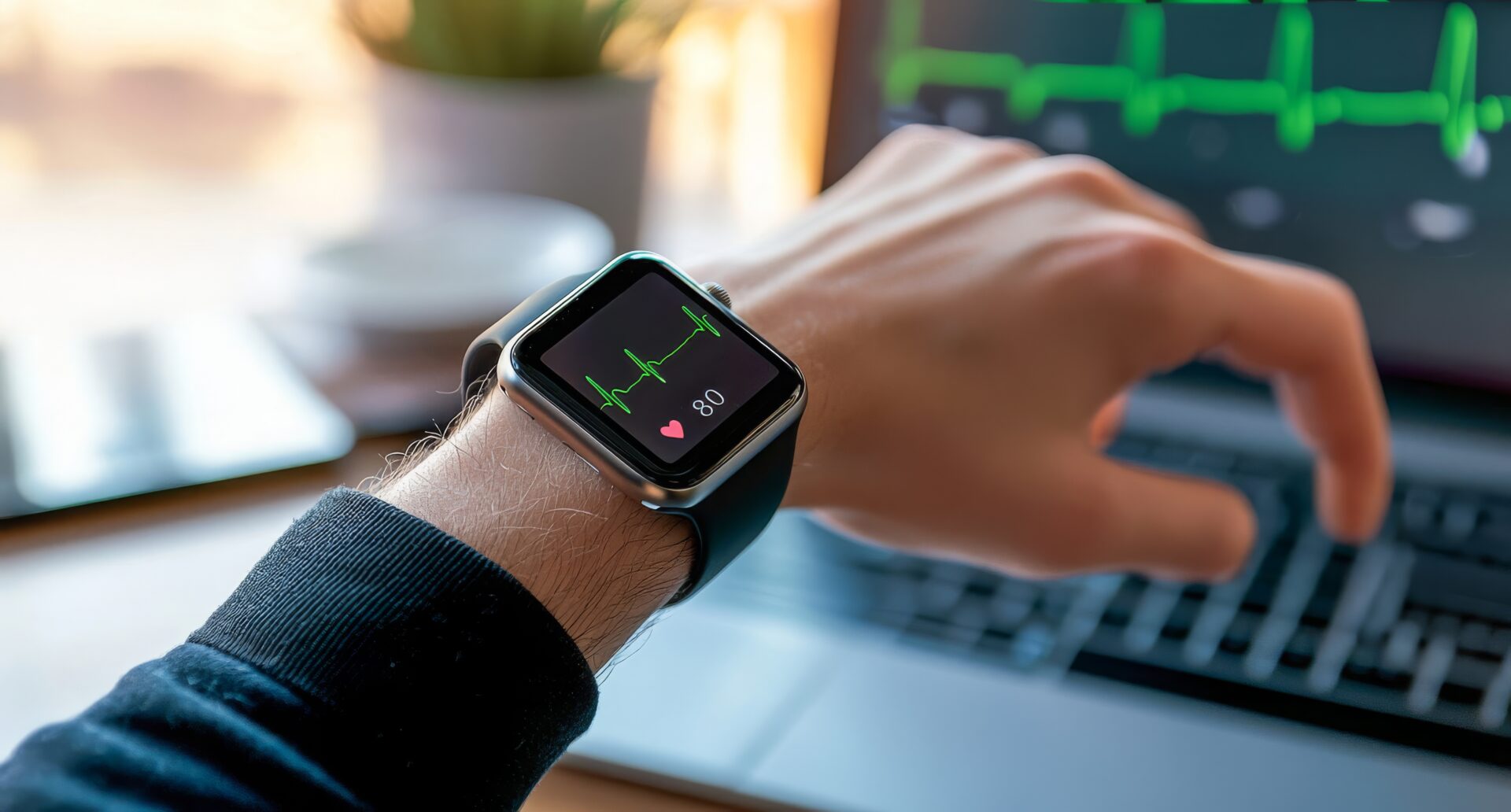
Wearable devices not only allow people to check the time, but also to easily check notifications by connecting to a smartphone via Bluetooth, or to simply check their health status using on-board sensors. Wearable devices have come to play a very important role not only as extensions of smartphones, but also as healthcare devices by incorporating various sensors.

Expansion of Wearable Device Applications in Medical and Industrial Fields

Growing interest in health has led to the development of a variety of consumer wearable devices with features such as heart rate and sleep monitoring. This has led to an expansion of applications into more complex BtoB applications, such as medical and healthcare. Manufacturers that initially focused on BtoC applications have shifted to developing devices that meet more complex needs for medical/healthcare and industrial BtoB applications that require particularly high levels of precision and accuracy. In particular, many new companies, including start-ups, are entering the medical and healthcare fields, which are at the forefront of development.

The use of wearable devices is expected to reduce costs and human resource shortages, particularly in the medical and healthcare sectors. Demand has increased due to rising costs and accelerating shortages of physicians and nurses as the number of patients with chronic diseases increases.Manufacturers believe that wearable devices could be an answer to these conditions.

For example, remote patient monitoring (RPM) wearable devices, such as continuous glucose monitors (CGMs), remotely and continuously monitor diabetic patients at home and send the latest data to physicians. This enables rapid diagnosis and real-time improvement of patient symptoms, avoiding the costs associated with delayed diagnosis. It also reduces the need for in-home consultations and the time and effort required by physicians. 

Thus, the focus of medical and healthcare wearable devices is shifting to monitoring and analyzing single, complex indicator data with a high degree of accuracy.Consumer wearable devices are primarily intended to improve overall health insight, and there is little risk associated with their use.

On the other hand, the manufacturing of medical/healthcare wearable devices requires more careful controls, and the components and algorithms must be precisely designed.

This is due to the greater risk that inaccurate measurements pose to the user. Wearable devices are also expected to be used in critical cases such as remote patient monitoring, physical therapy, and post-operative care, which often require physician intervention and regulatory approval.

What can Dexerials contribute to?

In response to the rapidly evolving wearable device market, Dexerials contributes from various perspectives through its proprietary materials and component technologies. These technologies are applied across a wide range of applications, from consumer-oriented sports and healthcare devices to BtoB industrial and medical applications.

― Miniaturization and Thinner Connections Enabled by ACF

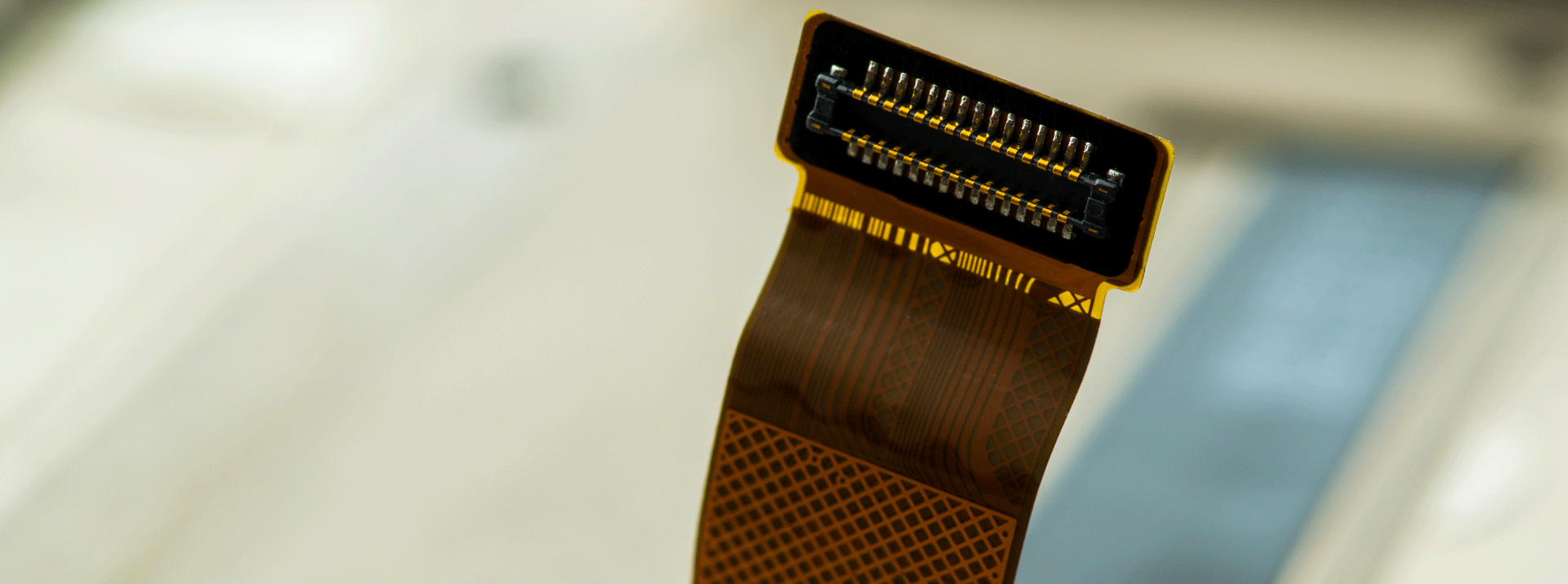
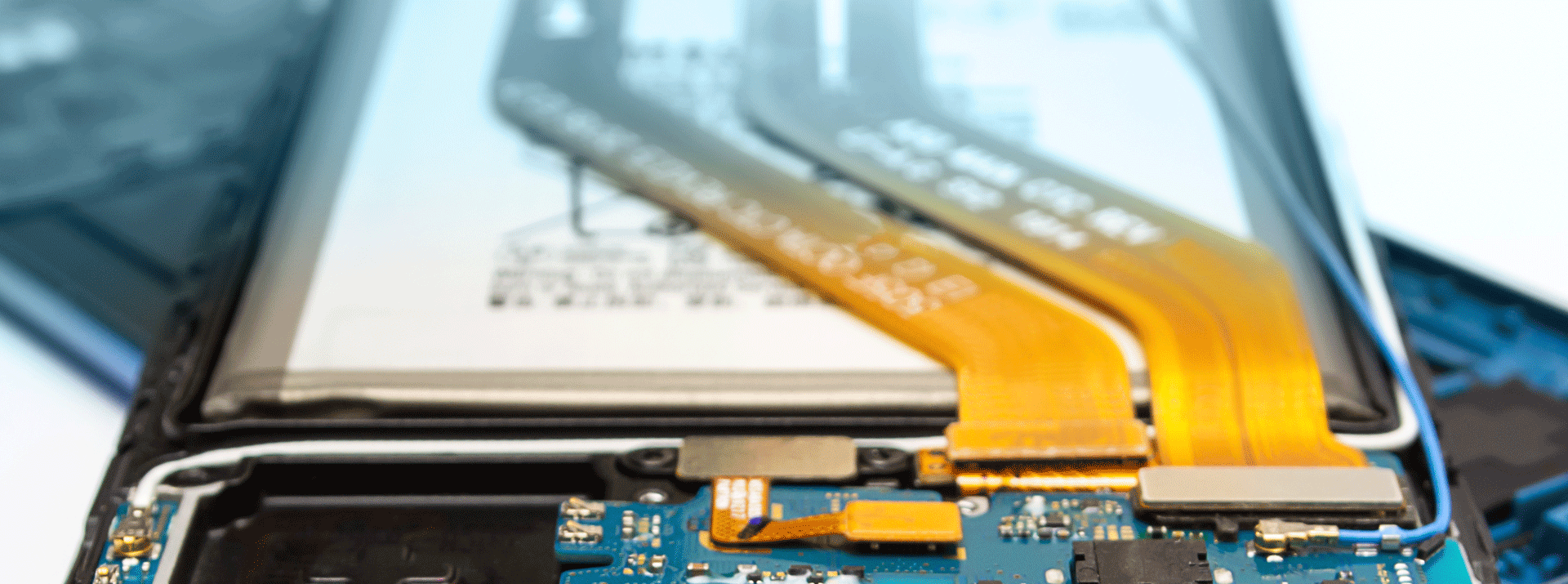
Dexerials’ anisotropic conductive film (ACF) is widely used in wearable devices as a material for connecting driver ICs and FPCs to glass and PI substrates in displays, as well as for connecting ITO substrates and FPCs in touch panels. This contributes to the realization of high-definition and thinner display components.

In addition, there will be more opportunities for ACF to be considered as a replacement for mechanical connectors and solder connections in wearable devices that need to be smaller and thinner. ACF connections can be made with a fine pitch of 200um or less, reducing the connection area and height compared to solder or connector connections with a pitch of around 200um.

― Improving Display Performance with SVR

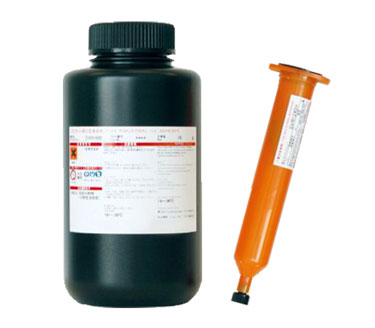
Visually, Dexerials' products also contribute to wearable devices. Dexerials' Optical elastic resin (SVR) has been used to laminate the display and cover glass, which helps reduce reflections on the display under ambient light.

― Supporting High-Precision Sensing with Optical Semiconductors

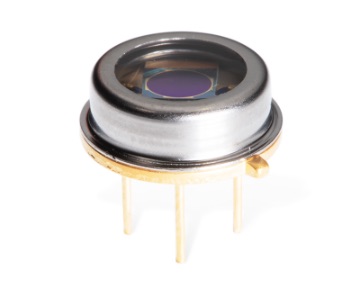
In the near future, Dexerials' group company Kyoto Semiconductor's photo diode may also be used in sensor modules for wearable devices for healthcare and medical applications. These medical and healthcare applications require high measurement accuracy, and Kyoto Semiconductor's high-quality products will support the accuracy of these sensors. For more details, please refer to the following article.
Technological trends in Optical Sensors as they are increasingly applied to biosensing

Dexerials will also offer proposals to further enhance the added value of these sensors and modules through the elementary technologies we have cultivated.

Future Outlook: From Wearable Devices to Social Infrastructure

Wearable devices are expected to evolve beyond their role as complementary tools for smartphones and become a form of social infrastructure that addresses on-site challenges in fields such as medical care, welfare, and industry.

Dexerials will continue to contribute to the evolution and development of wearable devices through its core technologies, including displays, sensors, and connection materials, supporting both market advancement and the resolution of social issues.

Contact us
Dexerials

Dexerials are a materials manufacturer that produces materials essential for the evolution of devices and next-generation solutions.

We will create new value with partners around the world in areas including electronic components, bonding materials, and optical materials.

View all products

We provide materials on our products and manufacturing technologies.

They can be downloaded for free.

Download Materials

We provide materials on our products and manufacturing technologies.

They can be downloaded for free.

Download Materials