• Optical Products
New

The Changing U.S. Automotive Market and the Rise of Autonomous Driving: Dexerials' Strategy for North American OEMs

  • このエントリーをはてなブックマークに追加

Series: "Cars of the Future" - Evolving in-vehicle technology around the world
We interviewed people in charge of the four regions where Dexerials has bases, and will introduce the automotive technology trends in each market.
Japan| ▶ AmericaEuropeChina edition

目次

Dexerials' Detroit-based strategy for the North American automotive market

In May 2023, Dexerials established a new base for Dexerials America Corporation in Detroit, United States. We spoke with Motoyuki Nakane, Sales Deputy General Manager, who has been building local relationships with North American automakers (OEMs) since the establishment of the Detroit office, about the characteristics of the U.S. automotive market and the company’s business strategies.

Trends in the U.S. automotive market and lifestyle

When discussing the U.S. market, it is essential to consider car culture, which is closely intertwined with people's lives. We first asked Nakane about the types of vehicles commonly seen on the roads in Detroit and its surrounding areas.

——What types of vehicles are popular in the Detroit automotive market?

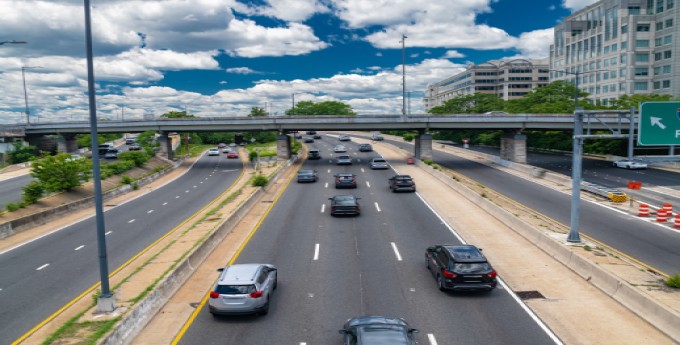
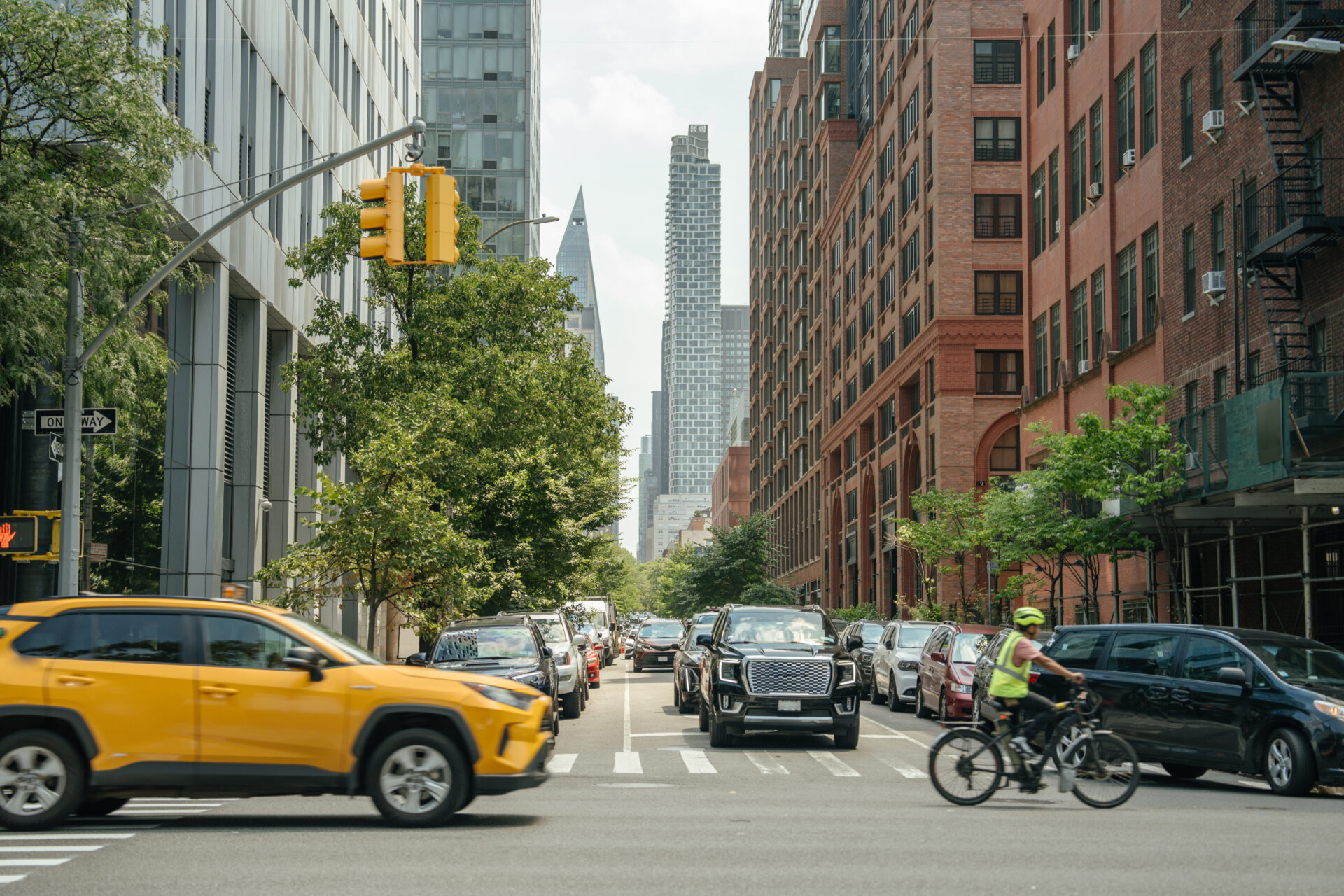
In the American Midwest, where Detroit is located, electric vehicles (EVs) are still rarely seen, while pickup trucks are the most prominent vehicles on the streets. Even on the East Coast, larger vehicles are more prevalent than EVs. Although ownership patterns vary by household, it is relatively common to own a combination of a pickup truck and an SUV, and households with greater financial means may also own an EV.

This car culture is deeply rooted in the United States' vast geography and the history of its transportation infrastructure. Since the 1950s, extensive highway development has reinforced a car-centered lifestyle across the United States. As a result, automobiles have gone from merely being a means of transportation to becoming an integral part of daily life. For example, in many areas, walking or cycling to a supermarket or convenience store is impractical. In the U.S., vehicles are often a necessity, and it is not an exaggeration to say that daily life is challenging without one.

——The U.S. automotive market is vast, but what are the differences in market characteristics between the West Coast and the East Coast?

The West Coast of the United States, particularly urban areas in California, exhibits market characteristics that differ significantly from those of the Midwest, centered around Detroit. EV adoption is progressing more rapidly on the West Coast, where mid-size EV sedans and SUVs are growing in numbers. By contrast, gasoline-powered cars and large vehicles such as pickup trucks remain the mainstream choice in the Midwest, and consumer preferences for vehicle size and usage vary by region. These differences are influenced by factors such as travel distances for shopping and daily activities in urban areas, as well as regional variations in gasoline prices. In California, gasoline prices are approximately 1.3 to 1.5 times higher than in the Midwest, which is one of the factors driving EV adoption. (Source: Regional gasoline price differences—US Energy Information Administration (EIA))

The role of the Detroit base in the North American automotive market

Dexerials has established a base in Detroit, home to many major North American OEMs, and is actively building a local network and proposing solutions.

——Please tell us about your reasons for establishing the Detroit base and the activities you are conducting in the North American automotive market.

The Detroit office primarily serves as a marketing base for the U.S. market. Our main objective of establishing a base in Detroit, home to the headquarters of leading American automakers, is to propose our products to North American OEMs (automakers) and to engage in close information exchange that supports development activities.

At this base, we build networks with OEMs as well as Tier 1 and Tier 2 suppliers, present product proposals, and carry out design-in activities. In the year since the base was established, we learned who the key figures are at local OEMs and have built relationships that allow us to visit them regularly and present proposals. This progress has been possible precisely because we have a local base.
Click here for a detailed article about the establishment of Dexerials' Detroit branch.

Key products and sales strategies in the North American market: Responding to autonomous driving and EVs

As automobiles become increasingly digitalized, higher performance is required of in-vehicle components such as displays and cameras. We asked about the key products and strategies Dexerials is pursuing in the North American market.

——Please tell us about the main products that Dexerials offers in the U.S. automotive market and its strategy for the North American market.

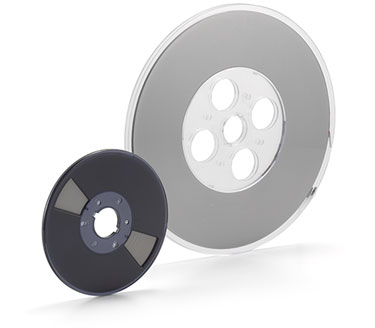
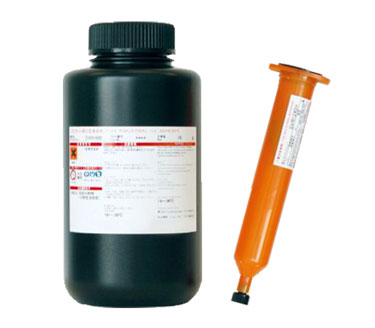
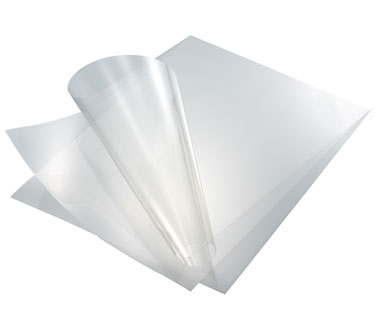
There are three main product areas. The first is low-reflection film applied to displays. The second is materials, including adhesives, for cameras and LiDAR systems. The third is materials for head-up displays.

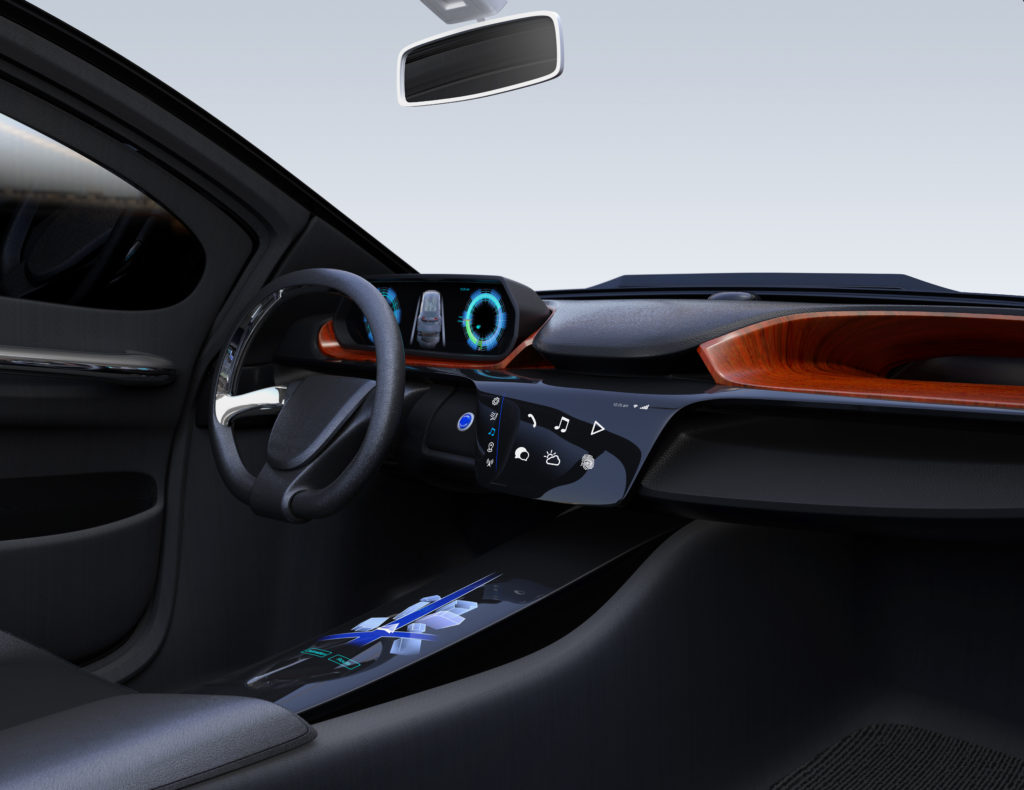
In the display area, we propose and supply products with features such as low reflectivity, anti-fingerprint properties, and excellent slip properties. Recently, demand has been growing for "seamless" displays, in which the boundary between the display and the black bezel is less noticeable, as well as for "piano black" designs that create a premium interior appearance. In this context, our reflective color control technology has been attracting attention. Each OEM has engineers responsible for display optical design, and each manufacturer has distinct display design concepts. By understanding these preferences in detail, we continue to develop and propose products that truly meet customer needs.

Our sales strategy centers on design-in activities. We visit customers with development team members to propose solutions from the customer's perspective, explain the technical background of our products, and demonstrate their track record of adoption. By helping OEMs recognize the value of our products, we aim to have them adopted first in premium models, and then gradually expand to other models. Through this approach, we seek to capture the market by allowing customers to experience the value of our products.

——What new needs are emerging with the development of autonomous driving technology in the U.S. automotive industry?

As the level of autonomous driving increases, there is growing demand for in-vehicle cameras and other sensing devices with higher sensing accuracy. During autonomous driving, cameras must detect people and obstacles accurately even under challenging conditions, such as strong glare from oncoming headlights or the intense sunlight prior to sunset.

As a result, demand is rapidly growing for technologies that enhance camera visibility. Specifically, we propose a wide range of solutions, including low-reflection materials that suppress multiple reflections between lenses and inside camera housings, as well as anti-reflection treatments for windshields.

Another product currently under development is a jet-black resin designed for use as a filler inside cameras and sensors. This material can be applied to black plastic housings to further reduce internal reflections. Alternatively, it can be used to create black adhesives that suppress reflections. Black materials pose technical challenges that differ from those of conventional resins, but we are conducting research and development to meet customer requirements.

——Please tell us about your collaboration with North American OEMs and your involvement in the design stage.

As a Tier 3 or 4 materials manufacturer, we demonstrate our products to OEMs to ensure they correctly understand the material properties and functions. This upstream information sharing enables us to collaborate more efficiently with Tier 1 and Tier 2 suppliers, leading to optimized design proposals. In recent years, market demand has been growing for in-vehicle display designs that appear more integrated and seamless. To meet this demand, we are optimizing material characteristics such as thin-film structures, high transparency, and anti-reflection performance.

——How are the trade and environmental policies under the current U.S. administration affecting the automotive industry?

Major Japanese automakers have entered the American market, and there remains a strong consumer preference for high-quality Japanese vehicles. Recent tariff policies have drawn attention throughout the industry; however, Japanese OEMs with production bases in the U.S. appear to have been relatively less affected so far. By contrast, vehicles manufactured in Mexico and Canada and exported to the U.S., as well as the OEMs producing them and those sourcing components from these countries, are facing increased tariff burdens. As a result, the impact is being felt across the entire supply chain. *As of August 2025

In any case, if tariffs lead to higher automobile prices, there is concern that this could negatively affect sales. We will continue to closely monitor market trends and respond flexibly to changes. We will aim to pursue sustainable growth while promoting industry-wide cooperation and creating new opportunities.

Outlook and growth strategies in the U.S. automotive industry to meet the needs of autonomous driving

How will Dexerials' North American initiatives, launched from its Detroit base, expand going forward? We asked about growth strategies aimed at meeting the needs of established OEMs and emerging manufacturers that are leading the automotive market.

——Please tell us about your growth strategy for the U.S. base and your outlook for the automotive industry.

In the North American market, leading American automakers on the East Coast continue to hold a significant market share, with a primary focus on gasoline-powered vehicles. Meanwhile, leading EV manufacturers are concentrated on the West Coast, particularly around Los Angeles, where startups developing new autonomous driving vehicles and related systems are emerging one after another. We plan to closely monitor trends on both the East and West Coasts and approach each market accordingly.

Although the corporate cultures of traditional OEMs and emerging EV-related manufacturers differ significantly, they share common trends, such as the adoption of larger displays and the need for sensing devices with improved accuracy. This convergence creates an opportunity for our products. By leveraging our strengths in optical technologies, we will continue to advance product development and proposal activities in three key areas: displays, sensing devices, and head-up displays.

——What has been the most significant achievement in establishing the Detroit base?

By establishing a response system at our Detroit base, we have been able to share information and provide technical support more smoothly between OEMs and the Japanese headquarters. This dramatically improved communication both internally and externally.
In addition, when I travel to the West Coast on business, I see the rapid adoption of fully autonomous, driverless taxis, which gives me a strong sense that the automotive industry is undergoing a major transformation. I hope to work with our customers to help create the future of automobiles beginning with Detroit, where the modern automotive industry was born.

Contact us
Dexerials

私たちデクセリアルズはデバイスの進化に欠かせない材料や次世代のソリューションを生み出す、マテリアルメーカーです。

電子部品、接合材料、光学材料をはじめと世界中のパートナーと新しい価値を生み出していきます。

製品一覧を見る

We provide materials on our products and manufacturing technologies.

They can be downloaded for free.

Download Materials

We provide materials on our products and manufacturing technologies.

They can be downloaded for free.

Download Materials