• Electronic Components

The history of power tools and secondary protection element (SCP)

  • このエントリーをはてなブックマークに追加

The evolution of tools throughout human history

「ドリルを買いにきた人が欲しいのはドリルではなく『穴』である」というのは大変有名な言葉ですが、人類の歴史において、人々は常に何かしらの道具や工具を使って、身の回りのものを作ってきました。のこぎりで木を切ったり、ドリルで穴を開けたり、釘で板を打ち付けたり……、家や家具など、さまざまな暮らしに役立つ製品を作るのに欠かせなかったのが、「工具」です。人類が産業を大きく発展させてきた背景には、工具の大きな進化がありました。

The well-known saying “People don’t buy drills; they buy holes” symbolizes the essence of tool development. Throughout human history, humans have used various tools to create and shape their surroundings—cutting wood with saws, drilling holes, and driving nails into boards to build homes, furniture, and other necessities of life. The progress of civilization and industry has always gone hand in hand with the evolution of tools. As a key technology supporting both daily life and industrial growth, tools have continued to evolve with the times.

The evolution of tools throughout human history

The birth of the electric drill — the world’s first appeared over 130 years ago

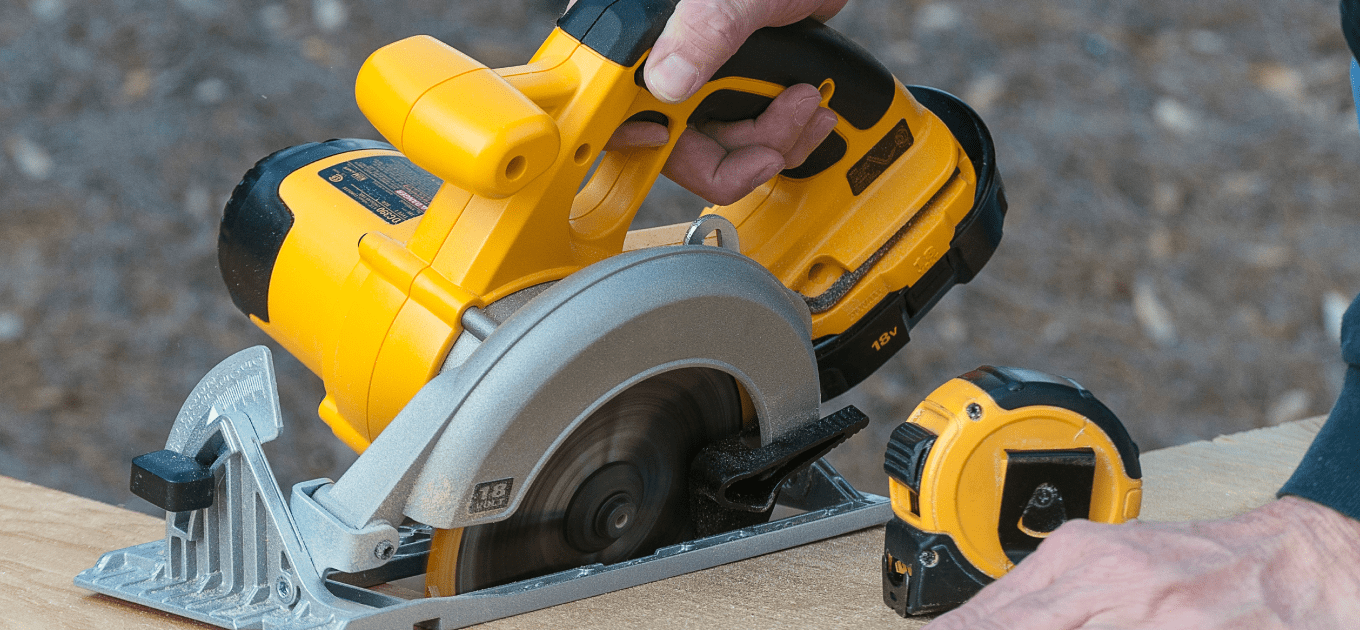
When first invented, the electric drill was a dedicated tool designed solely for drilling holes in wood or metal. Over time, the addition of new functions and interchangeable tool bits made it capable of multiple operations such as drilling, tightening, and polishing.

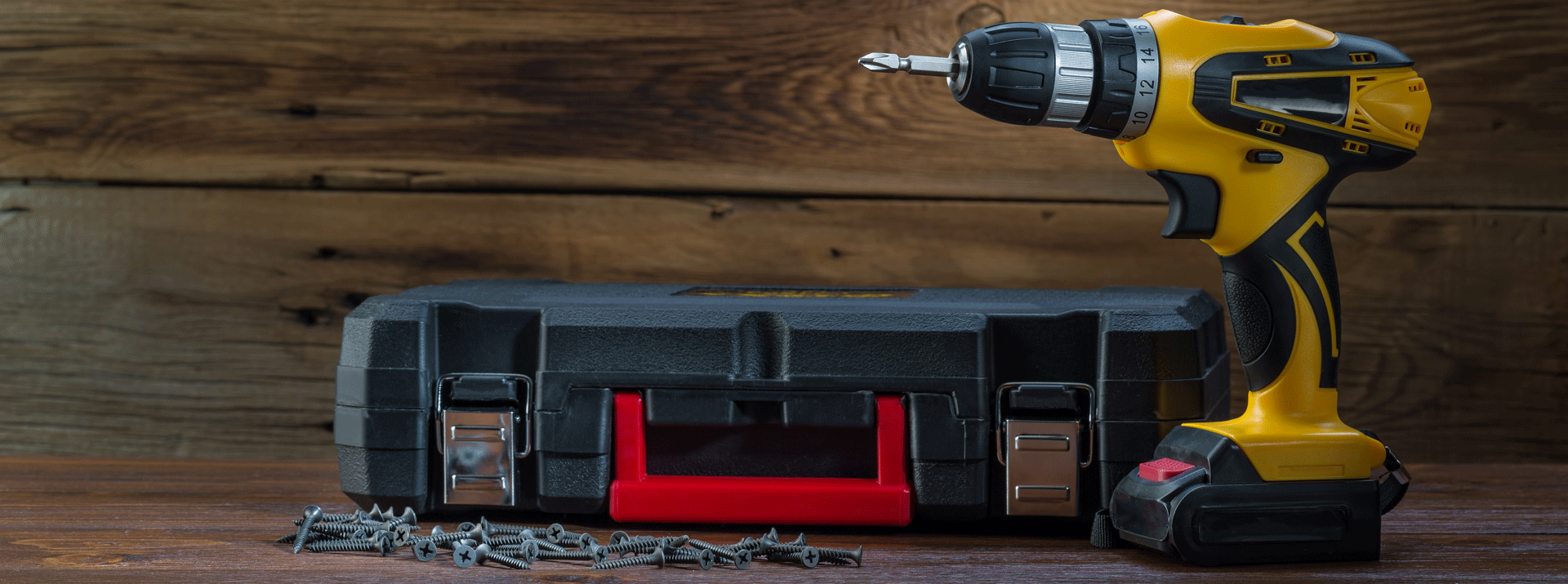
A major turning point came in 1916, when a leading U.S. power tool manufacturer introduced the “pistol grip” design. This innovation made the tool smaller, portable, and operable with one hand. The introduction of the trigger switch also laid the foundation for modern power tool design. Later, in 1946, the world’s first household electric drill was released, contributing to the spread of the DIY (Do It Yourself) culture. The basic structure and usability shared by today’s power tools can be traced back more than a century to these early developments.

The birth of the electric drill — the world’s first appeared over 130 years ago

From cordless drills to lithium-ion battery tools

In 1961, a U.S. manufacturer developed the world’s first cordless drill powered by a nickel-cadmium (Ni-Cd) battery, freeing users from the limitations of power cords and greatly improving work flexibility. Then, in 2005, the first power tool equipped with a lithium-ion battery was launched, enabling both high power and long operating time. As a result, major manufacturers worldwide shifted from stationary, corded models to rechargeable lithium-ion battery-powered tools, completely reshaping their product lineups.

Voltage levels have also continued to rise—from 12V to 14.4V, 18V, and even 36V—requiring designs that can withstand higher current and heavier loads. With the adoption of cordless and lithium-ion battery technologies, power tools have evolved to deliver higher power output and longer runtime.

Higher-voltage power tools and design challenges

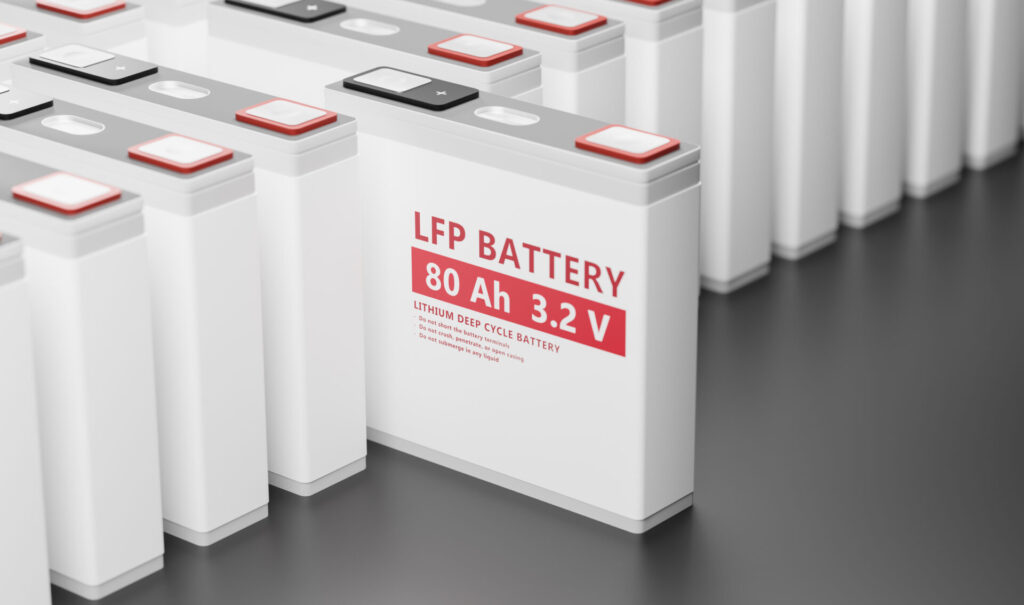
In recent years, the voltage of power tool batteries has been increasing even further. Especially in Europe and the United States, manufacturers are pursuing larger battery capacities and higher power outputs by using battery packs containing more cells.

Most power tools use cylindrical lithium-ion cells known as “18650,” each with a nominal voltage of approximately 3.6V. These cells are connected in series to achieve the required output voltage—four cells provide 14.4V, five cells 18V, and ten cells 36V, and so on, always in multiples of 3.6V. Higher voltage allows for more efficient motor output, leading professional-grade power tools to increasingly adopt high-voltage designs.

High voltage power tools

In addition, due to emission regulations aimed at reducing CO₂ emissions, the use of gasoline engine-powered tools has been restricted in many countries. High-capacity battery-powered tools are therefore expected to replace such engine-driven equipment. However, this does not mean that battery capacity—and thus the amount of work per charge—has improved.

Furthermore, in markets such as Europe and the United States, “smart power tools” equipped with Bluetooth wireless communication are becoming increasingly common. These tools offer features such as  remote torque adjustments, tool identification, and usage log recording. However, the addition of such features makes circuit control systems more complex. As a result, reliable circuit protection and fault isolation have become even more important. With the trend toward higher voltages and smarter functionality, reliable circuit protection design is now more critical than ever.

Enhanced safety standards with increasing battery capacity

As the capacity of lithium-ion batteries in power tools increases, safety requirements have become stricter in proportion. This is not merely due to individual company policies but is driven by increasingly stringent international safety standards and regulations.

In particular, the international safety standard UL 62841-1, which defines requirements for power tools, was revised in 2015 to include new criteria for lithium-ion cells and battery systems. As a result, compliance is now required not only for tool structure but also for abnormal shutdown behavior and cell control within the battery pack.

In addition, lithium-ion cells used in power tools must now comply with either UL 62133 or IEC 62133. These standards specify strict requirements for voltage, current, and cell behavior to prevent abnormalities such as overcharging and thermal runaway.

Under these standards, a battery system must maintain all cells within the Specified Operating Region (SOR) during normal charging. Conditions for evaluation include:

a) The open-circuit voltage must remain at least 90% of its pre-test value. 

b) The cell must meet the requirements of normal charging and recharging tests. 

c) The vent of each cell must remain undamaged.

The SOR is defined by the cell manufacturer, and both voltage and charging current must stay within this region—even in the event of charger or tool failure—to ensure safety under abnormal conditions.

Moreover, UL 62841-1 requires enclosure pressure tests to confirm that the battery does not explode even if it emits gas, and mechanical strength tests to verifysafetyafter impacts such as drops.

One particularly critical requirement is that even if a charging circuit component fails, the cell voltage must not exceed the upper limit by more than 150 mV. If this limit is exceeded, the battery system must permanently stop further charging, entering what is called a permanent shutoff state.

As safety standards tighten, circuit protection components must ensure reliable isolation even under fault conditions.

Why Dexerials’ SCP is chosen for power tool circuit protection

As seen above, the increasing voltage and capacity of power tools—and the tightening of safety standards—have significantly raised the performance requirements for circuit protection devices.

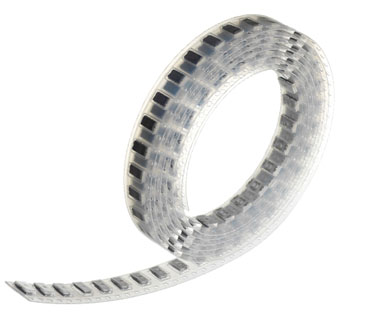
To address these design challenges, Dexerials provides the Self Control Protector (SCP), a surface mount fuse specifically designed for lithium-ion battery protection. The SCP reliably disconnects the circuit during overcharge or overcurrent events, preventing the battery from reaching a hazardous condition.

1. Enhanced safety — How SCP prevents reuse after abnormal events

The SCP is a permanent shutoff type fuse that physically disconnects the circuit when an abnormal condition is detected. This ensures that a battery pack once subjected to an abnormal event cannot be reused, effectively preventing risks such as smoke generation or fire.

2. Fast charging compatibility — How SCP supports rapid charging

In power tools that demand rapid charging, minimizing the overall circuit resistance is essential. The SCP features a low-resistance design, reducing power loss during charging. This allows users to shorten charging wait times and improve work efficiency.

3. Controlled fuse characteristics — Why SCP enables safe use up to the cell’s performance limit

The SCP uses an internal heater to rapidly melt the fuse element when an abnormal condition occurs. This design ensures stable fusing behavior regardless of fuse specifications, allowing the battery cell to be used safely up to its performance limit.

For design engineers seeking to maximize battery performance while maintaining safety, the SCP provides both design flexibility and high reliability. With these advantages, Dexerials’ Self Control Protector (SCP) ensures stable and reliable circuit protection even in high-load applications such as power tools. It will continue to contribute to safety and reliability in the expanding power tool market.

References:Japan on the Mark UL Japan

Contact us

We provide materials regarding our products and manufacturing technologies.

Feel free to download it for free.

Download Materials

We provide materials regarding our products and manufacturing technologies.

Feel free to download it for free.

Download Materials