

- Electronic Components
The Future of LFP Batteries and Cell Protection: Expanding into E‑Bikes and ESS

目次
Technology transforming our daily life
Technological innovations such as smartphones, electric bikes (e-bikes), and photovoltaic systems are powered by batteries. Among them, lithium iron phosphate (LFP) batteries are gaining attention for their safety, long cycle life, and cost efficiency. They overcome many issues found in conventional lithium-ion (LIB) batteries and play a key role in building a more sustainable energy society. As a result, LFP batteries are increasingly used for a growing range of applications—from e-bikes to renewable energy storage systems (ESSs) to consumer devices.
This article discusses the fundamentals of LFP batteries, their market growth potential, their applications, and introduces Dexerials' Self Control Protector (SCP), a secondary protection solution.
What are LFP batteries?
Lithium iron phosphate (LFP) batteries are a type of lithium-ion battery (LIB) that use lithium iron phosphate (LiFePO4) as the cathode material, offering excellent safety and long lifespan. Their applications are expanding across mobility sectors such as electric vehicles (EVs) and e-bikes, as well as renewable energy storage systems (ESSs). LFP batteries are expected to play a key role in building a more sustainable energy society.
LFP batteries were first reported in 1997 in a paper published by researchers at the University of Texas in the United States. They were praised for their high thermal stability and low risk of ignition. However, commercialization did not progress at the time due to their lower energy density compared to LIBs using cathode materials based on nickel-manganese-cobalt (NMC) or nickel-manganese-aluminum (NMA) compounds. In the early 2000s, a Canadian company enhanced battery performance through the application of nanotechnology and carbon-coating techniques. However, high manufacturing costs and patent licensing restrictions limited large-scale production.
This situation changed dramatically with the rise of China, which has been a leading producer of LFP batteries since the 2010s. Chinese battery manufacturers, licensed to use the Canadian company's patents, achieved low-cost, large-scale production by leveraging abundant raw materials and strong government support for the electric mobility industry. Because LFP batteries do not require rare metals such as cobalt and nickel, they were well-suited for China's low-cost EV market. As a result, Chinese manufacturers quickly gained a dominant position in the global market through cost competitiveness and economies of scale. In Europe, energy-dense batteries remained dominant, and LFP batteries saw limited adoption.
However, the expiration of key LFP battery patents in 2022 prompted American and European manufacturers to rapidly shift their focus toward LFP batteries. Driven by concerns over cobalt and nickel supply risks, efforts to reduce dependence on China, and the growing adoption for electric mobility, American and European companies are now pursuing domestic production of LFP batteries.
What makes LFP batteries popular? Challenges for the next generation of batteries
LFP batteries are gaining attention as a new alternative for overcoming the limitations of LIBs because they offer innovative solutions to three major issues associated with LIB technology.
Achieving higher safety
LIBs use flammable organic solvents in their electrolytes, posing a fire risk. In contrast, LFP batteries use a cathode material composed of lithium iron phosphate, which has a chemically stable structure and high thermal stability, reducing the risk of ignition or explosion when exposed to excessive heat or physical impact. Sporadic incidents of fires involving EVs and energy storage systems (ESSs) equipped with LIBs have occurred worldwide, increasing the industry's focus on safety. As a result, LFP batteries are being increasingly chosen for their low thermal runaway risk and suitability in large-scale battery systems.
Increasing energy density
The amount of electricity stored per unit of battery weight (gravimetric energy density) is directly related to the cruising range of electric bikes and the energy efficiency of ESSs. Therefore, increasing energy density is one of the most critical challenges in developing next-generation batteries. Originally, the energy density of LFP batteries was lower than that of LIBs. However, technological innovation has steadily improved their energy density without compromising safety.
Lowering environmental impact by reducing dependence on rare metals
LFP batteries can be manufactured without relying on rare metals such as nickel and cobalt, which are sourced from a limited number of countries. As a result, they help avoid producer-specific risks, such as political instability and resource constraints, while also reducing the environmental impact of rare metal mining. This contributes to the development of more sustainable battery technologies. In addition, LFP batteries have a charge-discharge cycle life more than twice as long as that of LIBs, reducing the costs of disposal and recycling.
Below is a comparison between LFP batteries and LIBs (nickel-manganese-cobalt and nickel-manganese-aluminum types).
| Items | LFP batteries | NCM/NCA batteries |
|---|---|---|
| Cathode material | Lithium iron phosphate | Nickel, cobalt, manganese/aluminum |
| Energy density | 90–160 Wh/kg | 150-220 Wh/kg |
| Safety | Relatively high | Relatively low |
| Cycle life | At least 2,500 cycles | 1,000–2,000 cycles |
| Cost | Low | Relatively high |
| Temperature resistance | Excellent | Limited |
Potential growth of the LFP battery market
The global LFP battery market is projected to grow at a compound annual growth rate (CAGR) of approximately 20% by 2030. (Source: LFP Batteries Transforming EV Market Dynamics Globally | EVBoosters)) Rising demand from renewable energy storage, smart grid systems, and mobility applications is supporting this growth.
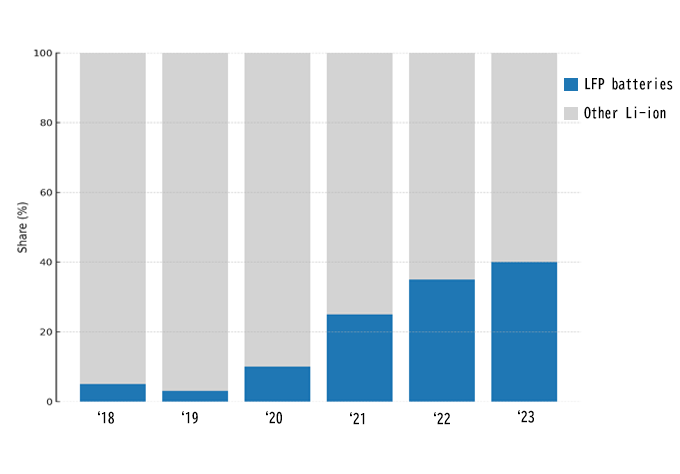
Compared with conventional battery technologies, LFP batteries use fewer rare metals, resulting in lower manufacturing costs—particularly when compared to NMC batteries. Some estimates suggest that their market price is up to 30% lower than that of conventional LIBs. Years of government incentives in China promoting the domestic introduction of energy storage systems accelerated the proliferation of LFP batteries in the domestic market, which subsequently expanded into the global market.
Moreover, global companies—including major manufacturers in the North American mobility sector—have begun full-scale adoption of LFP batteries. Looking ahead, limited supplies of battery materials and the technical maturation of LFP batteries, combined with their safety, cost efficiency, and sustainability, are expected to further drive the growth of the LFP battery market.
Key LFP battery applications
As of 2025, the key applications of LFP batteries include the following.
Electric bikes (e-bikes)
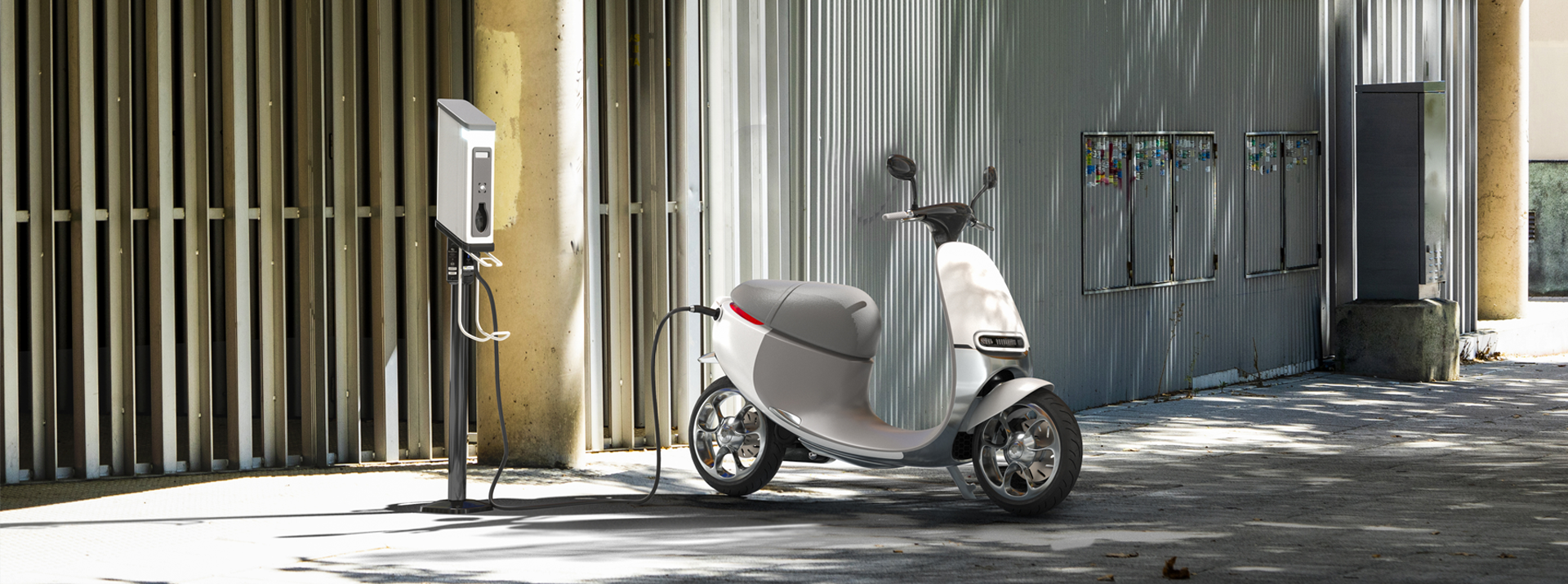
E-bikes are seeing widespread market penetration, particularly in China, Europe, and the United States, with newly developed models increasingly adopting LFP batteries. Their low risk of thermal runaway is especially valued in hot climates such as those found across the urban areas of Southeast Asia, as well as under use conditions involving frequent impacts. In addition, LFP batteries are highly tolerant of daily charge-discharge cycles, which reduces the battery replacement frequency and contributes to long-term cost savings.
Another major advantage of LFP batteries is that they can be much lighter in weight compared with conventional lead-acid batteries. As a result, e-bikes equipped with LFP batteries can achieve longer travel distances and offer easier handling, enhancing user satisfaction. Because LFP batteries maintain stable performance under a range of weather conditions, they are considered highly reliable for commuting and other personal transportation needs, as well as for business uses such as delivery services, driving wider adoption among companies. These advantages are expected to further increase demand for electric bikes equipped with LFP batteries, particularly as a mode of transportation in urban areas.
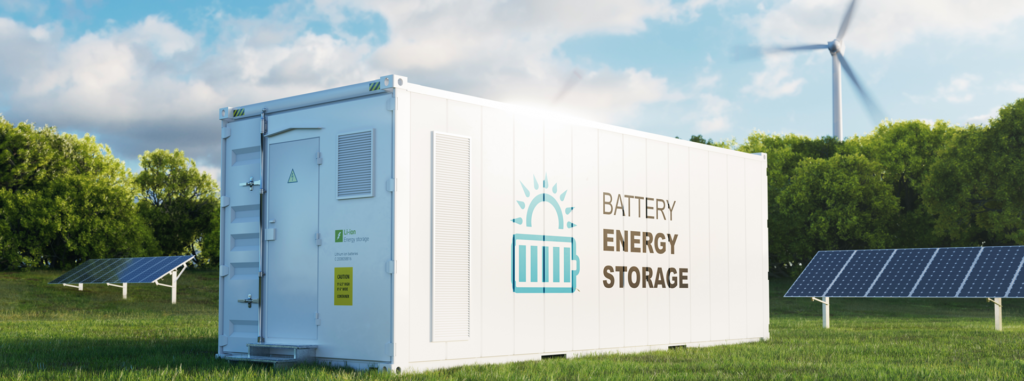
Renewable energy storage systems (ESSs)
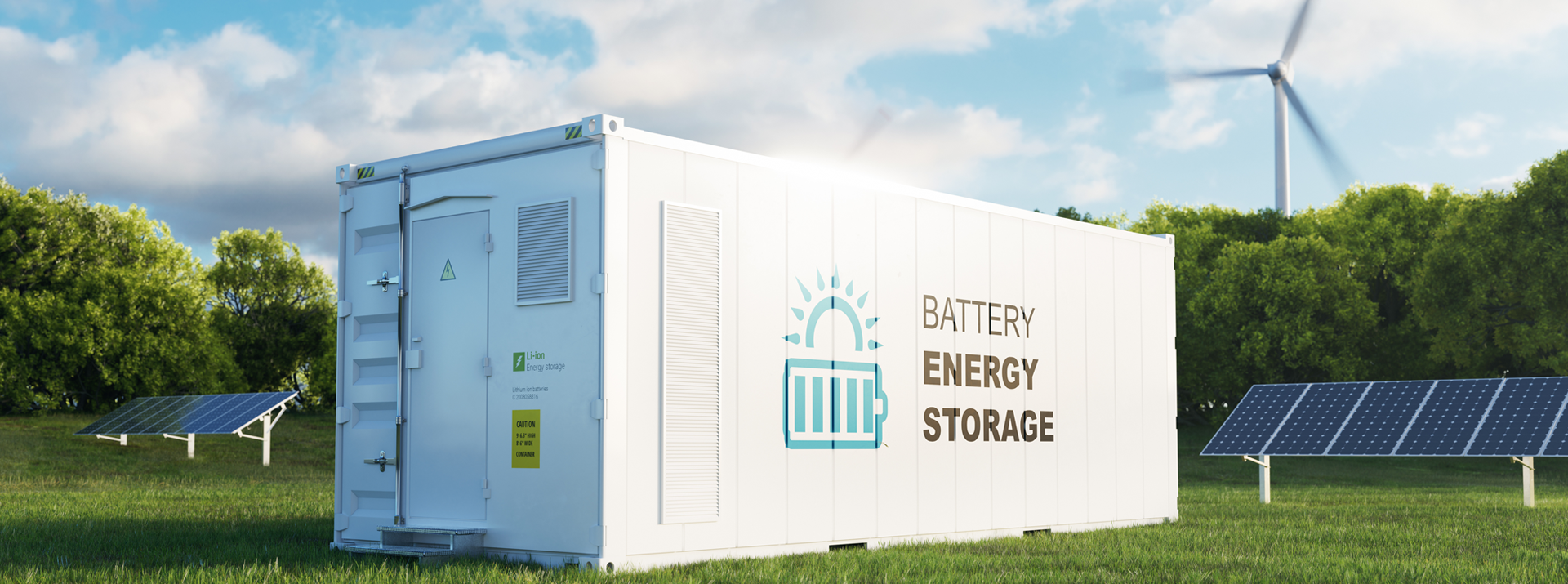
LFP batteries enable stable energy storage in renewable energy systems powered by solar, wind, and other natural sources. They offer advantages such as stable performance under harsh environmental conditions and low maintenance requirements.
According to Fastmarkets, a market research company, the overall demand for energy storage systems (ESSs) is expected to more than double from 66 GWh in 2022 to 140 GWh in 2023, reaching approximately 840 GWh in 2033. LFP batteries are projected to account for about 87% of this total capacity and are anticipated to serve as a core technology in the continued expansion of renewable energy use.
Reference:Growing LFP adoption drives need for more transparency across chemistry's supply chain – Fastmarkets
Backup power systems (UPSs)
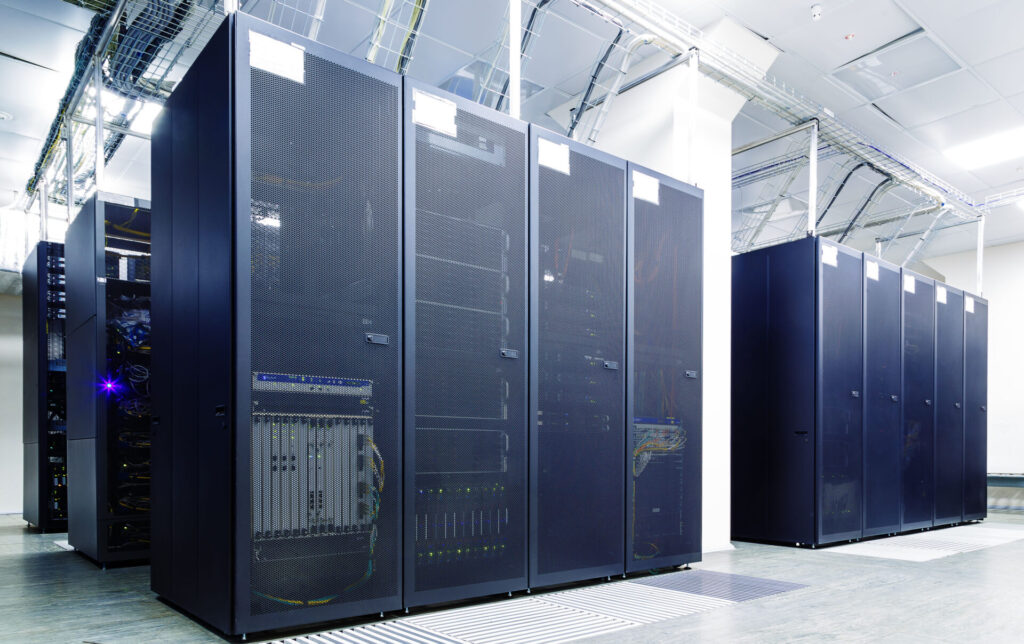
In critical infrastructure such as hospitals, datacenters, and communication facilities, LFP batteries are seeing widespread adoption as they can function as highly reliable backup power sources. They require less frequent replacement and maintenance, resulting in long-term cost savings.
Maritime and nautical devices
LFP batteries are increasingly being adopted as power sources for devices used on the sea. Examples include electrical systems for pleasure boats, trolling motors, fish finders, GPS receivers, navigation instruments (such as sonars), automated weather buoys, and marine observation sensors. Compared with (NMC-type) LIBs, LFP batteries serve as a safer and more reliable power source with their lower ignition risk, while maintaining stable performance under harsh conditions such as vibration and impact.
Laptops and home power tools
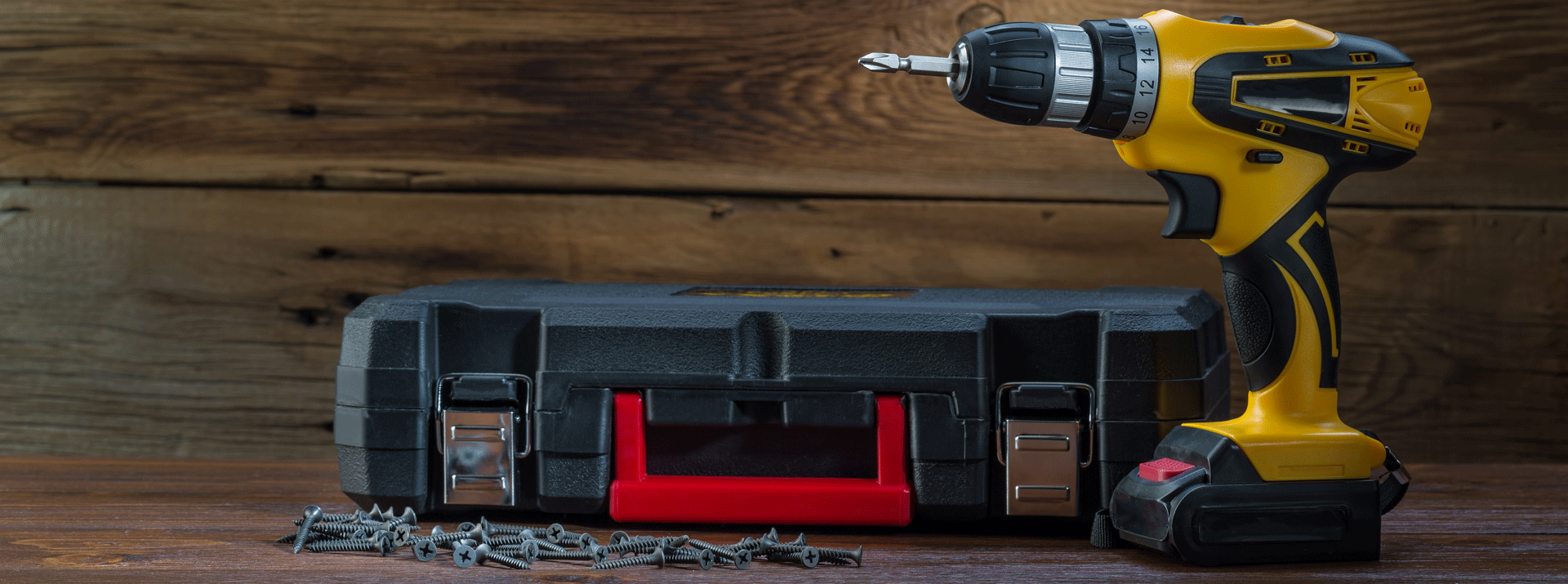
One of the most notable recent developments is that leading PC manufacturers are accelerating the adoption of LFP batteries for next-generation laptops. This trend is driven by growing recognition within the mobile device market of LFP batteries' safety and long lifespan. Looking ahead, LFP batteries are expected to see wider adoption in other small electric devices, such as power tools and home electronics, due to their superior safety, lower environmental impact, and cost efficiency. Their lower ignition risk and longer battery life offer significant advantages for mobile device users compared to conventional LIBs.
Secondary protection element for LFP batteries
LFP batteries are recognized for their superior thermal stability and higher safety compared with conventional products.
However, studies have shown that continuous overcharging can cause a gradual increase in battery temperature. This may result in thermal runaway once the temperature exceeds the stable range, potentially leading to ignition in extreme cases. To prevent such hazards, appropriate secondary protection mechanisms are essential.
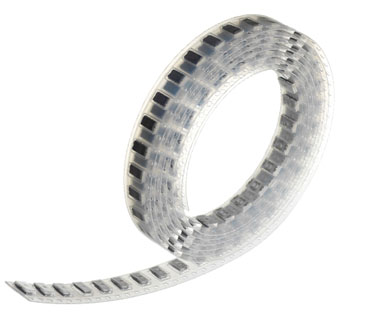
Dexerials' Self Control Protector (SCP), a surface mount fuse, disconnects the circuit by physically melting when a LIB is overcharged or overdischarged. Our SCPs are already used in mobile devices, including laptops. SFJ-1022 (supporting three-cell LFP batteries) is a new model and uses a newly designed circuit to support a broader LFP battery voltage range, making it an ideal secondary protection solution for the growing adoption of LFP batteries.
22A (small) SFJ Series Self-Control Protector (SCP)
Our SCPs are increasingly being adopted for a variety of applications, including ESSs, other high-capacity systems, and e-bikes. Further development is also underway.
Looking ahead, Dexerials will continue to develop products that support the safety design and utilization of LFP batteries, thereby contributing to a more prosperous and safer society.
Related articles

Dexerials are a materials manufacturer that produces materials essential for the evolution of devices and next-generation solutions.
We will create new value with partners around the world in areas including electronic components, bonding materials, and optical materials.
- Share
We provide materials on our products and manufacturing technologies.
They can be downloaded for free.
Download MaterialsRelated Products
Related articles
Popular Articles for Electronic Components









We provide materials on our products and manufacturing technologies.
They can be downloaded for free.
Download Materials