
- Electronic Components
Protecting Lithium-ion Battery Safety: Self Control Protectors in a Growing Indian Electric Two-wheeler Market and the Move Toward Battery Passports

目次
- 1. Latest trends, regulations, and technology in India's electric two-wheeler market
- 2. The current state of India's motorcycle market and electrification progress
- 3. Trends and market share of major motorcycle manufacturers
- 4. India’s EV support policies, including FAME subsidies and PM E-DRIVE
- 5. Mandatory battery recycling under the Battery Waste Management Rules
- 6. The EU Battery Regulation and the details and background of the battery passport
- 7. Impact of EU regulations on Indian electric motorcycle manufacturers and response examples
- 8Dexerials' Secondary Protection Fuse contributes to overcharging and overcurrent in lithium-ion batteries
Latest trends, regulations, and technology in India's electric two-wheeler market
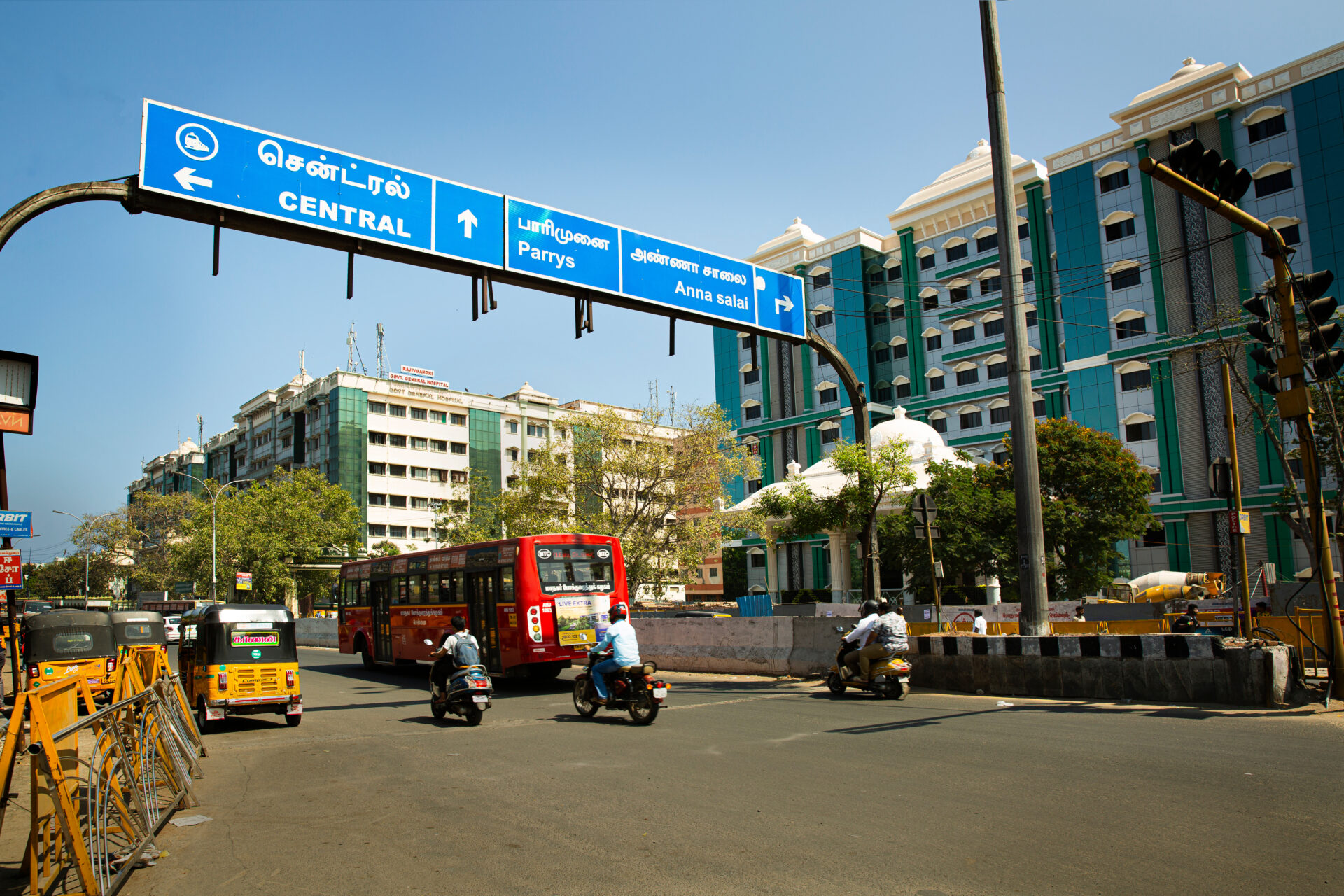
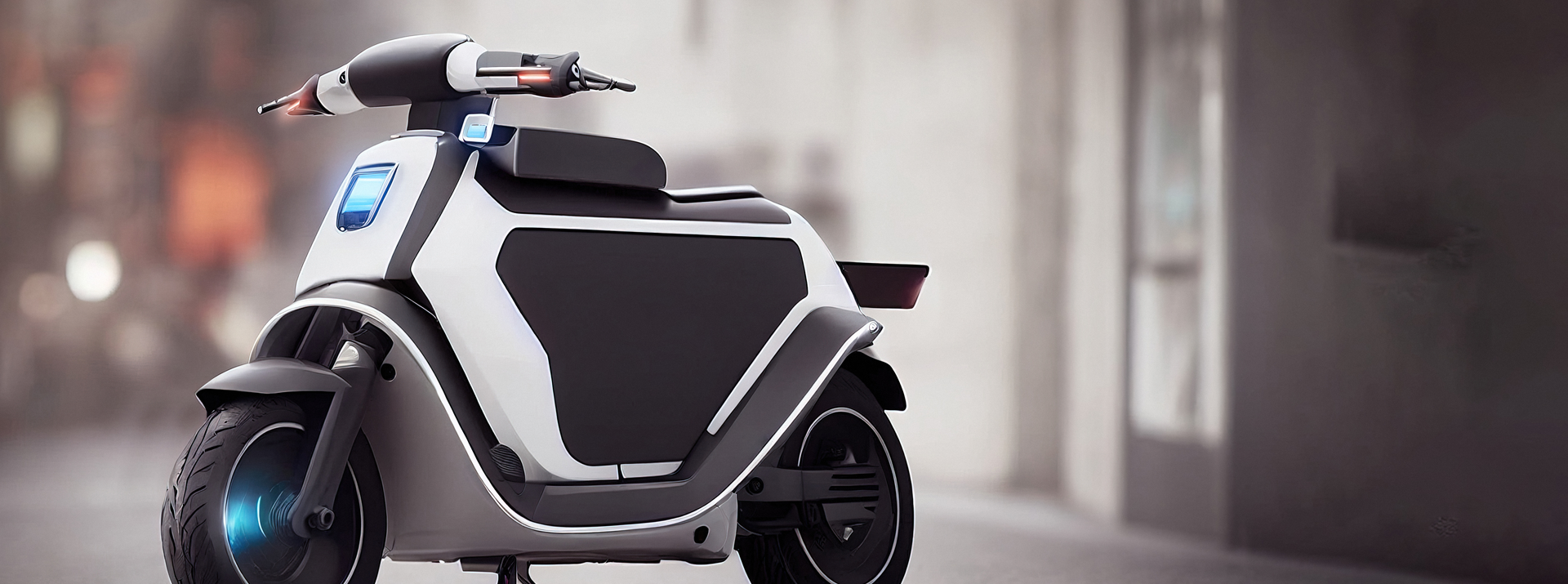
In Japan, motorcycles are often used for postal delivery or pizza delivery. In South and Southeast Asia, particularly in India, motorcycles served as an essential mode of daily transportation. In India, amid the broader push toward decarbonization and CASE, electrification is steadily expanding across the motorcycle market.
This article explains the ever-expanding electric motorcycle market in India and its background, as well as the role played by Dexerials' Secondary protection fuses (Secondary Protection Fuse) for lithium-ion batteries.
The current state of India's motorcycle market and electrification progress
In India, motorcycles are widely used as everyday transportation, from urban areas to rural regions. In 2024, the overall motorcycle market reached approximately 21 million units. Of this total, electric motorcycles accounted for about 1.15 million units, representing roughly 5% of the market.
Reference:EV sales in India in CY2024 jump 27% to 1.94 million units | Autocar Professional
Trends and market share of major motorcycle manufacturers
The Indian motorcycle market includes the following major manufacturers:
| Company name | Characteristics |
|---|---|
| Hero MotoCorp | The largest domestic manufacturer, primarily focused on conventional internal combustion engine (ICE) vehicles |
| TVS Motor | Ranked second in electric motorcycle sales volume |
| Ola Electric | Holds the largest share of the electric motorcycle market |
| Ather Energy | Provides high-performance electric motorcycles |
| Bajaj Auto | Ranked third in electric motorcycle sales in India |
These manufacturers are riding the wave of electrification by expanding their product lineups and investing heavily in battery technology development.
India’s EV support policies, including FAME subsidies and PM E-DRIVE
Recent years have seen rapid growth in demand for electric motorcycles in India. As of 2025, the Indian government is promoting the adoption of electric motorcycles through a subsidy program known as FAME (Faster Adoption and Manufacturing of Hybrid and Electric Vehicles). The goal of FAME is to accelerate EV adoption , thereby reducing environmental impact and strengthening energy security. By offering subsidies to purchasers, the program aims to lower EV purchase prices and encourage widespread adoption.
FAME I, which began in 2015, was a government program with a total budget of approximately INR 8.95 billion (Rs. 895 crore) and ran through 2019 to promote the adoption of electric motorcycles, electric three-wheelers, electric four-wheelers, and other vehicles*1. The subsequent FAME II program set a total budget of approximately INR 100 billion (Rs. 10,000 crore, later increased to around INR 115 billion or Rs. 11,500 crore), and from April 2019 onward, provided incentive support for more than 1.6 million vehicles, including electric motorcycles, three-wheelers, four-wheelers, and buses*2.
PM E-DRIVE (equivalent to FAME III) is the current program, acting as the successor to FAME II, providing support such as purchase subsidies and infrastructure development. As part of its electric vehicle adoption measures, PM E-DRIVE is also promoting the development of EV charging infrastructure, with plans to install 72,300 charging stations nationwide.
| Scheme | Implementation period | Budget scale | Primary targets | Notes |
|---|---|---|---|---|
| FAME I | April 2015–March 2019 | INR 8.95 billion (Rs. 895 crore) | Electric two-wheelers (e-2W), electric three-wheelers (e-3W), electric four-wheelers (e-4W), e-buses, light commercial vehicles (LCVs) | Implemented as an initial measure to promote EV adoption. |
| FAME II | April 2019–March 2024 | Initially about INR 100 billion (Rs. 10,000 crore), later increased to about INR 115 billion (Rs. 11,500 crore) | Primarily commercial electric three-wheelers (e-3W), electric four-wheelers (e-4W), e-buses, and personal electric two-wheelers (e-2W) | Under the revised targets announced in February 2024, the number of subsidized vehicles was set at 1,552,025 e-2W, 155,000 e-3W, 30,460 e-4W, and 7,262 e-buses, with reports indicating that actual subsidized units exceeded approximately 1.67 million. |
| EMPS 2024*3, *4 | April 2024–September 2024 | About INR 7.78 billion (Rs. 778 crore) | Electric two-wheelers (e-2W), commercial and personal electric three-wheelers (e-3W) | A temporary measure bridging FAME II and PM E-DRIVE, continuing subsidy disbursements over a short period. |
| PM E-DRIVE*5, *6 | October 2024–March 2028 (extended from the original two-year plan through March 2026) | About INR 109 billion (Rs. 10,900 crore) | Electric two-wheelers (e-2W), electric three-wheelers (e-3W), e-buses, e-trucks, e-ambulances, EV charging infrastructure, etc. | The next scheme equivalent to FAME III. |
*1 https://static.pib.gov.in/WriteReadData/specificdocs/documents/2022/jul/doc202271169601.pdf
*2 https://heavyindustries.gov.in/fame-ii
*3 https://www.pib.gov.in/PressReleseDetailm.aspx?PRID=2040734
*4 https://www.pib.gov.in/PressReleasePage.aspx?PRID=2037735
*5 https://www.pib.gov.in/PressReleasePage.aspx?PRID=2101632
*6 https://www.pib.gov.in/PressReleasePage.aspx?PRID=2154408
Mandatory battery recycling under the Battery Waste Management Rules
While the Indian government is promoting the adoption of electric motorcycles through subsidies, it is also giving due consideration to the environmental challenges that accompany wider adoption. One such policy is the Battery Waste Management Rules, enacted in 2022. Under these rules, manufacturers and importers of electric motorcycles are required to collect and recycle batteries. Recovery targets for lithium-ion batteries (LIBs) have been set at 70% for FY2024–25, 80% for FY2025–26, and 90% from FY2026–27 onward.
In addition, amendments introduced in 2025 require QR codes or barcodes to be printed on batteries and their packaging, along with an EPR registration number identifying battery producers and recyclers. In this respect, India's regulations, such as the requirement to display QR codes and EPR registration numbers on batteries and packaging, are aligned with the direction of the EU's battery passport framework. Looking ahead, Indian manufacturers aiming for global markets are likely to face increasing pressure to comply with EU regulations.
The EU Battery Regulation and the details and background of the battery passport
Not only in India but also in the EU, Regulation (EU) 2023/1542 was adopted in 2023 with the aim of promoting battery sustainability and a circular economy. This regulation introduces the following requirements:
- Introduction of the battery passport: From February 18, 2027, LMT (Light Means of Transport) batteries will be required to have an electronic record (battery passport) containing information such as manufacturer details, chemical composition, carbon footprint, and recycled content levels.
- Battery removability: From the same date, LMT batteries must be easily removable and replaceable by independent professional operators.
- Carbon footprint and recycled content levels: Requirements will be introduced for calculating battery carbon footprints and for minimum recycled content levels of materials such as cobalt, lithium, and nickel.
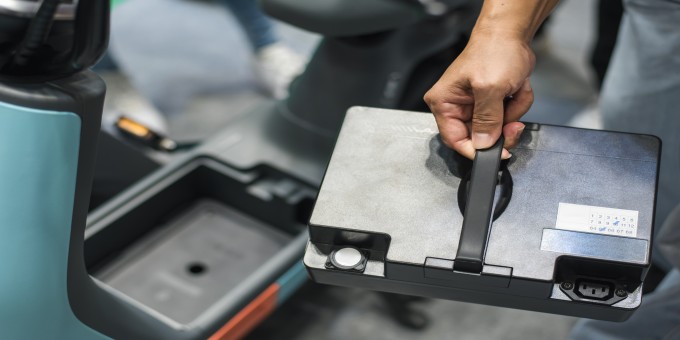
By combining battery removability with the introduction of a digital passport, EU regulations aim to achieve the following synergies:
- Improved recycling efficiency: Easier battery removal simplifies recycling processes and increases resource recovery rates.
- Extended product lifespan: Replaceable batteries help extend the overall lifespan of products, contributing to waste reduction.
- Enhanced safety: Battery passports clarify battery condition and usage history, promoting safer use.
Impact of EU regulations on Indian electric motorcycle manufacturers and response examples
There are plans in the EU to make removable batteries mandatory. The goal is to increase user accessibility to batteries, making management, replacement, and recycling easier.
Such regulatory changes could have a significant impact on Indian electric motorcycle manufacturers aiming to export to the EU market. In particular, currently prevalent fixed (non-removable) battery designs may no longer comply with EU regulations, necessitating a redesign of the product.
In response to these changes, models featuring removable batteries, such as Hero MotoCorp's VIDA series, are already being developed. In addition, companies offering battery-swapping stations have emerged, and by accumulating battery usage history and performance data through these initiatives, they are building systems that will be advantageous for future compliance with battery passport requirements.
While the Indian government has shown a certain level of interest in EU battery regulatory trends, as of May 2025 it has not directly adopted EU regulations. Nevertheless, India has already begun enforcing lithium-ion battery collection obligations under the Battery Waste Management Rules from 2024, with a phased strengthening of the regulatory framework underway.
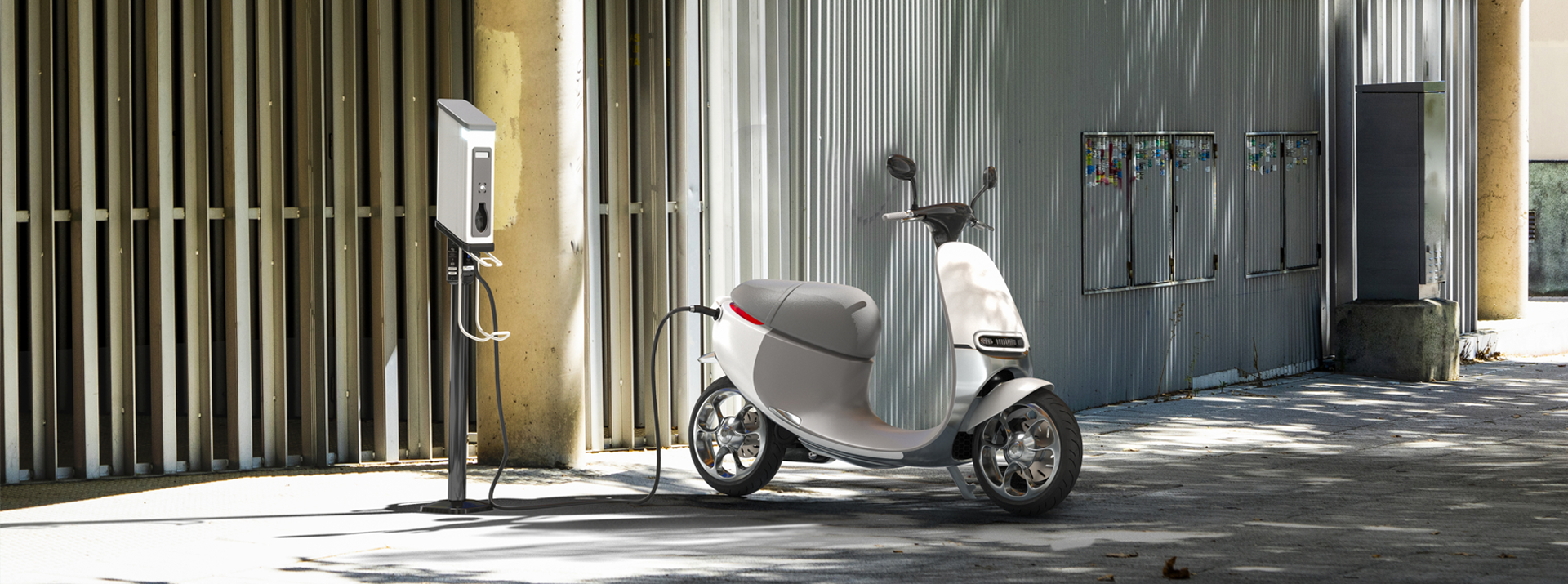
With the EU’s ban on fixed batteries and mandatory battery passports taking effect in 2027, India’s regulatory framework is also likely to move gradually toward EU standards.
Moreover, strengthening traceability across the entire supply chain, such as the integrated management of battery usage history and material information, is becoming a global requirement not limited to the EU. Companies capable of responding to these demands will hold the key to competitiveness not only in the Indian market but also on the global stage.
Dexerials' Secondary Protection Fuse contributes to overcharging and overcurrent in lithium-ion batteries
Dexerials is rolling out Secondary Protection Fuse in various countries as Secondary protection solution that prevents overcharging and overcurrent in lithium-ion batteries.
It is also used in electric motorcycles, and for more information, please see the article ` `Electric Motorcycles Spreading Around the World and Their Safety (Batteries and Secondary protection Fuses)''.
Related articles

Dexerials is a materials manufacturer that produces materials essential for the evolution of devices and next-generation solutions.
We will create new value with partners around the world in areas including electronic components, bonding materials, and optical materials.
- Share
We provide materials on our products and manufacturing technologies.
They can be downloaded for free.
Download MaterialsRelated Products
Related articles
Popular Articles for Electronic Components




We provide materials on our products and manufacturing technologies.
They can be downloaded for free.
Download Materials